




-
 DUI & OWI Defense
-
 0 Comments
Recreational Marijuana & Driving Confusion
Marijuana Laws and Driving Offenses in Michigan
Understanding Your Rights After a Cannabis-Related Stop
Is Recreational Marijuana Legal in Michigan? Yes, But Driving High Is Not
Michigan voters approved the Michigan Regulation and Taxation of Marihuana Act in 2018, legalizing recreational marijuana for adults 21 and older. This legislation allows residents to possess up to 2.5 ounces of marijuana on their person and up to 10 ounces in their home. Adults may also cultivate up to 12 marijuana plants for personal use in a private residence. While these provisions have normalized cannabis use across the state, they have also created widespread misunderstanding about when and where marijuana consumption is legally acceptable. Many Michigan residents mistakenly believe that legal possession means legal use in all circumstances, including before or while operating a motor vehicle. This assumption has led to serious legal consequences for drivers who did not fully understand the boundaries of the law. The legalization of recreational marijuana does not override Michigan’s Operating While Intoxicated statutes, which prohibit driving under the influence of any intoxicating substance, including THC. Law enforcement in Macomb County and throughout Southeast Michigan has increased training on recognizing marijuana impairment during traffic stops. Officers now routinely look for physical indicators such as bloodshot eyes, delayed reactions, and the odor of marijuana when conducting roadside investigations. If an officer suspects impairment, they may request field sobriety tests or arrange for a blood draw to measure THC levels. The legal threshold for THC in Michigan is any detectable presence in the blood, which differs significantly from alcohol-related OWI cases that rely on a specific BAC limit. This creates a challenging environment for drivers who may have consumed marijuana hours or even days before getting behind the wheel, as THC can remain detectable in the bloodstream long after the intoxicating effects have worn off.
How Michigan’s Marijuana Legalization Impacts OWI Charges
Since recreational marijuana became legal in Michigan, prosecutors and law enforcement agencies have adapted their approach to OWI enforcement. The legalization did not create any exemption for driving while impaired by marijuana. Instead, it clarified that marijuana users face the same legal accountability as individuals who drive under the influence of alcohol or prescription medications. Michigan law prohibits operating a vehicle with any amount of a Schedule 1 controlled substance or its metabolites in the body. While marijuana is now legal for recreational use, it remains classified as a Schedule 1 substance under federal law, and Michigan courts have upheld OWI convictions based on the presence of THC metabolites in a driver’s system. This legal framework means that a driver can be arrested and charged even if they are not actively impaired at the time of the stop. The presence of THC in the blood is often sufficient for prosecutors to pursue charges, particularly if the officer observed erratic driving, responded to an accident, or detected marijuana odor in the vehicle. Defense strategies in these cases often focus on challenging the validity of the blood test, the timing of consumption, and whether the driver was actually impaired. Unlike alcohol, THC does not metabolize in a predictable or uniform way. Chronic users may test positive for THC weeks after their last use, while infrequent users may clear the substance more quickly. Courts in Macomb County have seen cases where drivers tested positive for THC despite not consuming marijuana on the day of the arrest. These cases require careful legal analysis and a thorough review of toxicology reports, police procedures, and witness testimony. The stakes are high. A first-time OWI conviction in Michigan can result in up to 93 days in jail, fines up to $500, up to 360 hours of community service, and a 30-day license suspension followed by 150 days of restricted driving privileges. Repeat offenses carry much harsher penalties, including longer jail terms, higher fines, and extended license sanctions. Additionally, an OWI conviction can impact employment opportunities, professional licensing, and insurance rates.
How Long After Using Marijuana Is It Safe to Drive? A Legal Perspective
There is no universally safe timeframe that guarantees a driver will not face OWI charges after using marijuana. The effects of THC vary based on individual tolerance, method of consumption, frequency of use, body weight, metabolism, and the potency of the product consumed. Smoking or vaping marijuana typically produces effects within minutes, with peak impairment occurring within 30 minutes to an hour. Edibles take much longer to produce effects, sometimes up to two hours, and the impairment can last significantly longer. From a legal standpoint, the question is not only whether a driver feels sober, but whether THC or its metabolites are detectable in their system. Michigan law allows prosecution based on the presence of THC, which means that even if a driver feels completely unimpaired, they may still be charged if a blood test reveals THC in their bloodstream. This creates a legal risk for regular marijuana users who may have residual THC in their system from previous use. Drivers should understand that subjective feelings of sobriety do not provide legal protection. Law enforcement officers are trained to identify signs of impairment through observation, field sobriety tests, and interview techniques. If an officer believes a driver is impaired, they will initiate an OWI investigation regardless of how much time has passed since the driver last consumed marijuana. In Macomb County, officers frequently encounter drivers who report using marijuana the previous day or even earlier in the week, yet still test positive during a traffic stop. The only way to avoid legal risk entirely is to refrain from driving for an extended period after marijuana use, though the exact duration depends on individual factors. For occasional users, waiting at least 24 hours is a reasonable precaution. For frequent or heavy users, THC can remain detectable for days or even weeks. Anyone who uses marijuana regularly and drives should be aware of the legal exposure they face each time they get behind the wheel, particularly in jurisdictions with zero-tolerance policies for THC presence.
Can You Have Marijuana in Your Car in Macomb County?
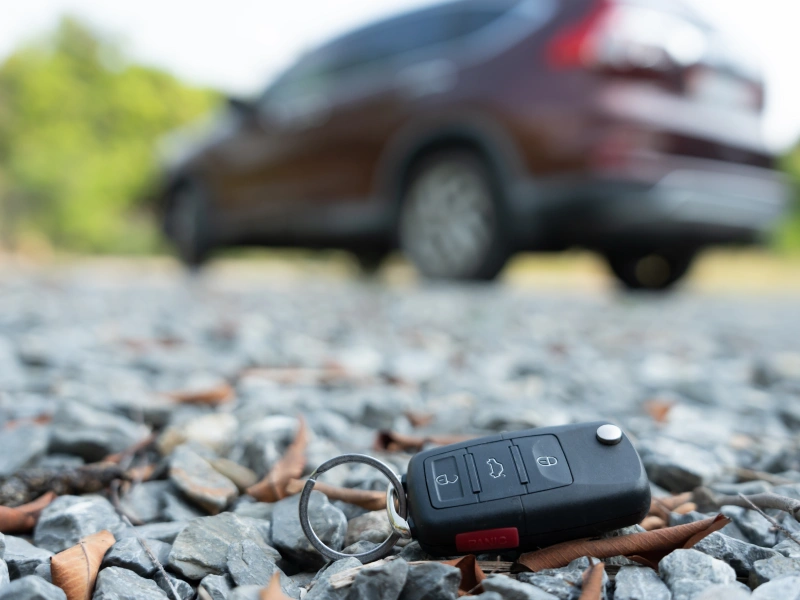
Michigan law permits adults to transport marijuana in a vehicle, but the marijuana must be in a sealed container and stored in a location that is not readily accessible to the driver or passengers. This means marijuana cannot be kept in the glove compartment, center console, or any area within immediate reach while the vehicle is in operation. The trunk is the safest location for transporting marijuana. If the vehicle does not have a trunk, the marijuana should be placed in a sealed container in the rear of the vehicle, as far from the driver as possible. Open containers of marijuana in the passenger area of a vehicle are illegal, similar to open container laws for alcohol. If law enforcement discovers marijuana in an open or easily accessible location during a traffic stop, the driver may face criminal charges. In Macomb County, local law enforcement agencies enforce marijuana transportation laws strictly. Officers conducting traffic stops routinely ask drivers whether they have marijuana in the vehicle. If the driver admits to possession, the officer will likely ask where the marijuana is stored and whether the container is sealed. If the marijuana is not stored properly, the driver may be cited or arrested. Additionally, the presence of marijuana in the vehicle, even if legally stored, can provide probable cause for further investigation if the officer detects an odor or observes other signs of recent use. Drivers should also be aware that transporting marijuana across state lines is a federal offense, even if both states have legalized marijuana. Michigan residents traveling to neighboring states should leave their marijuana at home to avoid federal prosecution. Within Michigan, drivers must comply with both state law and local ordinances, as some municipalities have enacted additional restrictions on marijuana possession and use. Anyone transporting marijuana should ensure the product is in its original sealed packaging or in a child-resistant container, and should avoid consuming marijuana in or around the vehicle. Even if the driver is not impaired, the presence of marijuana paraphernalia, residue, or odor can lead to a traffic stop, a vehicle search, and potential criminal charges.
Defending Your Rights in Marijuana-Related OWI Cases
If you have been charged with an OWI related to marijuana use in Macomb County or elsewhere in Southeast Michigan, you need focused legal representation that understands both the science of THC testing and the procedural requirements of OWI prosecution. Coppins Law Group, PLLC prepares each case with careful attention to detail, examining toxicology reports, police procedures, and witness statements to identify weaknesses in the prosecution’s case. We represent clients facing first-time and repeat OWI charges, and we understand the long-term consequences these charges carry. Our approach is built on direct communication and thorough preparation. You will work directly with an attorney who knows the local courts, understands Michigan marijuana laws, and is prepared to challenge the evidence against you. Whether your case involves questions about the timing of marijuana use, the validity of a blood test, or the legality of a traffic stop, we will build a defense strategy tailored to the specific facts of your situation. Legal representation should be accessible and focused on protecting your rights. If you are facing charges related to marijuana and driving, contact our office to discuss your case and explore your options.
